OK, so wandering monsters are an integral part of old-school dungeoncrawling because they put a price on each unit of exploration/time spent in the dungeon; and mapping and movement rates are important because they relate to time in the dungeon, which relates to wandering monsters, and opening stuck doors is important because it uses up time in the dungeon which blah blah blah
anyway, that may all be true but I just don't want to deal with all this movement rate bullshit or even drawing maps for the most part. And I know my players find it tedious to draw maps from my descriptions, so why would I bother?
So I got to thinking that you could reverse engineer the risk/reward system of wandering monsters and then simplify it so it doesn't depend on precisely measuring the party's movement through the dungeon. Or on stuck doors, which are the most boring goddamn thing to waste your gaming time on. Or on stupid rules that nobody even remembers like how in LL and OSRIC you're supposed rest for one turn in every six.
Basically the rules are so complicated and varied depending on the specific retroclone and the predilections of the DM that it's impossible to crunch the numbers on how often they are 'supposed' to turn up a wandering monster. Instead, it's easier to just put it in the hands of the individual DM, which makes sense because some DMs will run relatively small dungeons where every room is stocked with important stuff, while others will do big dungeons where half the rooms are empty.
So here's how I want to do dungeons for my face-to-face group in the future:
1. Instead of grid mapping, just draw rooms as nodes with lines connecting them for corridors. A long corridor can be a node, and a large room can contain multiple nodes.
2. Assume that the PCs are mapping even if the players aren't. None of this "you drew the map wrong, so you get lost" bullshit. On the other hand, if the PCs are fleeing for their lives they don't get the privilege of full map directions.
3. A wandering monster check is triggered every time the party moves from one node to another.
4. Other things that also trigger a wandering monster check:
- making loud noises or doing other things that attract monsters directly
- searching a room
- other time-consuming activities (excavating a hole, fiddling with a puzzle, etc.)
- trying to open a stuck door, if you must insist on having stuck doors in your game
5. This means that wandering monster checks are significantly more frequent than in B/X or AD&D. To offset this, they are rolled on a D10 by default. To increase or decrease the frequency of monsters, simply change the die size for the dungeon.
6. If the party is heavily encumbered, reduce the encounter die size by one step.
Why a D10? Well, by my calculations one room takes roughly 2 turns to explore, including the time for resting, stuck doors, and other fiddly little rules. If you check for monsters once every 3 turns, then 2 turns = 2/3 of a check. A check is 1/6 of an encounter, so a room is worth 2/3 * 1/6 = 2/18 = 1/9, so close enough to 1/10 (not totally sure about this math, I did drop out after 10th grade.)
The advantages of this system are:
- It's simple.
- It's transparent to the DM. I know that the players will encounter a monster in 1 out of 10 rooms, not accounting for their other time-consuming activities.
- It's transparent to the players. They'll see me rolling my D10 and know exactly when they're drawing heat. The options they have that trigger a roll, such as searching, are all strategic tradeoffs and not just busywork.
- It's abstract. You can convert "rolls made" to "time spent in the dungeon" if you really need to know how long the PCs have been there, but generally it's a more nebulous measure of "how much danger are you in".
The disadvantages are:
- you don't get the tactile, objective feeling of actually drawing a map
- you don't get the detailed tactical tradeoff of encumbrance vs. movement speed, but it's still there in some form in point #6.
- It doesn't give you a precise measure of how much time has been spent in the dungeon. This means you can't have the players run out of torches/lantern oil, but that never happens anyway.
Monday, December 31, 2012

Thursday, December 6, 2012
RPG.net Setting Riffs Compendium
I wanted to make this a thread on RPGnet but for some reason they don't let you edit your posts after 24 hours. So here is a compilation of all the setting riffs recommended in this thread. This is in my opinion the cream of RPGnet's creative output. These threads are submitted by RPGnet posters and listed according to their length.
Wednesday, October 31, 2012
The Wastes of Hellas

Once, long ago, the world was good. The Hellenes lived under the protection of the Olympian gods, and made sacrifices in their honour. Life was not always easy, but it was right. Then came the opening of Tartarus, and the terrible Titans walked the earth once more. From that day forth, a dark cloud spread over humanity that has never yet lifted.

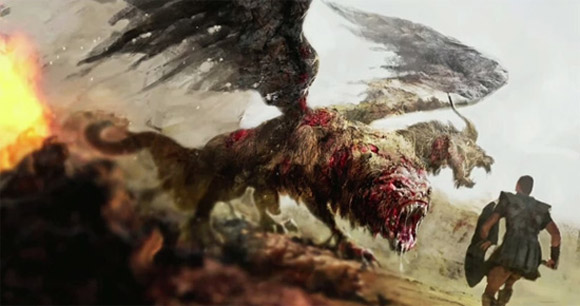
Beyond the borders of Hellas are the lands of the barbarians, similarly devastated. There dwell a few uncivilised tribes, including the ferocious Amazons and the bestial Centaurs. Across the oceans lie the lost islands of Odysseus, the ruins of Troy, and the silent sands of Egypt.


- Crete, a dystopian island state where slaves from the mainland are routinely sacrificed in the depths of the Cretan Labyrinth. It is rumoured that a Titan dwells in this Labyrinth, and the constant sacrifices are the only thing keeping Crete from being destroyed.

- Sparta, a fascist military city-state whose people are renowned for their discipline and bloodlust. The Spartans have survived the inhospitable conditions of the new world by making themselves into inhuman killing machines.


Monday, October 15, 2012
100 districts for a fantasy city
(probably fantasy London)
1. Maggot's End
2. Scullion Corner
3. Crow
4. Menagerie
5. Guts
6. Greater Clacking
7. Holy Word
8. Heavy Rocks
9. Archetype
10. Stupid Hedge
11. Yeast-Infection
12. Babbling Tower
13. Keepsilent
14. Freezy Narrows
15. Blue Barge
16. Harbardsljod
17. Vixeny
18. Ottoman
19. Freakshoe
20. Blackheart-by-the-Bay
21. Scorn
22. Flaxen Flats
23. Scoddy Crossroads
24. Harm-Path
25. Herpes Ridge
26. Escutcheon
27. Tlaxcala
28. Nevermore
29. Gilgamesh Pike
30. Whiskey Corner
31. Herne Park
32. Fig Town
33. Nobody-Knows-Who
34. Monarch's Sorrow
35. Paladin & Shrub
36. Demonology Campus
37. Hate Mansion
38. Reverend-Upon-Dream
39. Thirty Fathoms
40. Craven's Isle
41. Pirate Heights
42. Halloween
43. Feldspar
44. Procession
45. Wyrd
46. Ananse Row
47. Hoppington Market
48. Grumpkin & Snark
49. Yellow Lane
50. Babel Square
51. Shahnahmeh
52. Playhouse Court
53. Ginger Grove
54. The Mellows
55. Seven Sisters
56. St. Witchettins
57. Cream Puff
58. Barricade Road
59. Wyrm Rock
60. Triggsford
61. Pebble Park
62. Swampy Bottom
63. Pie Avenue
64. Urdsbridge
65. Gallowsbridge
66. The Shadow Market
67. Hiddeny Hollow
68. Hopscotch
69. Tintagel Island
70. Highroad's Edge
71. Greed's End
72. Goblin-Barrel
73. Serpents Mill
74. Lord's Redoubt
75. Hunter Street
76. Etchings
77. St. Plover
78. Ettin Hill
79. Timpani
80. Croak Hill
81. Gehenny Waters
82. Herpecide Moon
83. Mount Beryond
84. Thripsey Shee
85. Bridgetown
86. Thistle Park
87. Merrow Point
88. Harper's Estuary
89. Lawyer's Lock
90. Ransom Canal
91. Quickling Pier
92. Jerrow Downs
93. Fort Urizen
94. Typhon's Field
95. Frotter's Corner
96. The Pit of Licentiousness
98. Hand-Me-Down Town
99. Bezoar
100. Radishscape
1. Maggot's End
2. Scullion Corner
3. Crow
4. Menagerie
5. Guts
6. Greater Clacking
7. Holy Word
8. Heavy Rocks
9. Archetype
10. Stupid Hedge
11. Yeast-Infection
12. Babbling Tower
13. Keepsilent
14. Freezy Narrows
15. Blue Barge
16. Harbardsljod
17. Vixeny
18. Ottoman
19. Freakshoe
20. Blackheart-by-the-Bay
21. Scorn
22. Flaxen Flats
23. Scoddy Crossroads
24. Harm-Path
25. Herpes Ridge
26. Escutcheon
27. Tlaxcala
28. Nevermore
29. Gilgamesh Pike
30. Whiskey Corner
31. Herne Park
32. Fig Town
33. Nobody-Knows-Who
34. Monarch's Sorrow
35. Paladin & Shrub
36. Demonology Campus
37. Hate Mansion
38. Reverend-Upon-Dream
39. Thirty Fathoms
40. Craven's Isle
41. Pirate Heights
42. Halloween
43. Feldspar
44. Procession
45. Wyrd
46. Ananse Row
47. Hoppington Market
48. Grumpkin & Snark
49. Yellow Lane
50. Babel Square
51. Shahnahmeh
52. Playhouse Court
53. Ginger Grove
54. The Mellows
55. Seven Sisters
56. St. Witchettins
57. Cream Puff
58. Barricade Road
59. Wyrm Rock
60. Triggsford
61. Pebble Park
62. Swampy Bottom
63. Pie Avenue
64. Urdsbridge
65. Gallowsbridge
66. The Shadow Market
67. Hiddeny Hollow
68. Hopscotch
69. Tintagel Island
70. Highroad's Edge
71. Greed's End
72. Goblin-Barrel
73. Serpents Mill
74. Lord's Redoubt
75. Hunter Street
76. Etchings
77. St. Plover
78. Ettin Hill
79. Timpani
80. Croak Hill
81. Gehenny Waters
82. Herpecide Moon
83. Mount Beryond
84. Thripsey Shee
85. Bridgetown
86. Thistle Park
87. Merrow Point
88. Harper's Estuary
89. Lawyer's Lock
90. Ransom Canal
91. Quickling Pier
92. Jerrow Downs
93. Fort Urizen
94. Typhon's Field
95. Frotter's Corner
96. The Pit of Licentiousness
98. Hand-Me-Down Town
99. Bezoar
100. Radishscape
Friday, October 12, 2012
Five Ghouls

1.
Ghouls are people who have given up their mortality through the consumption of human flesh. While occasional cannibals are merely degraded in their soul, those who eat their kin constantly will be transformed bodily as well. They take on a grave-like pallor, grow long limbs and lose their hair. Such twisted creatures do not age, but they pay the price of being unable to stomach any food besides human flesh.
Some who fear death will deliberately make ghouls of themselves to live longer, although ironically most ghouls die fairly quickly because it is so difficult to keep up a steady source of human meat. Those few who find a way to feed regularly may live for centuries.
Ghouls do not lose any intelligence or speech when they are transformed, but they rarely have much to say to humans.

2.
Ghuls are a race that have lived alongside humanity for as long as history has been recorded. They have long brown limbs, doglike snouts and leathery flapping tongues. They dwell mostly in the desert or other secluded places. Ghuls usually live in a single house with a single family, multiple generations living together.
By all accounts ghuls are kind and loving to one another, and in most respects are neither evil nor aggressive. The one exception is that they have a taste for human flesh, and are psychologically incapable of feeling any sympathy for humans or recognising them as sentient beings.

3.
Ghouls are stunted creatures, about 3 feet tall, that dwell in graveyards. They make their nests in mausoleums and burrow into the graves of the recently dead to devour the rotting corpses. They are not often aggressive toward living humans, though they can be difficult to eradicate once they take hold in an area.
There is a distant land where it is considered ill luck to leave corpses buried in the ground, perhaps because of a plague of undead in the distant past. The people of this land keep a colony of ghouls in each graveyard and even venerate the creatures. Some travellers come from this place, posing as tinkers or circus performers, and bring with them a secret collection of ghouls that they distribute to each community that they visit. From their point of view, they are bringing good luck to the uncivilised citizens of a foreign country.

4.
Ghuls are demonic desert-dwelling spirits, each one a descendant of the great fire-demon Iblis. Eternal tricksters, they possess the ability to mimic the appearance of any animal, and to mimic the appearance of a particular person or creature if they have devoured that person's corpse. Their powers grow in proportion to the isolation of the location. A ghul in the pathless desert is fearsome to behold, but even a simple road is enough to weaken the ghul considerably. In a town or city, a ghul is reduced to a miserable trembling creature that is easily caged. To counteract these weaknesses, ghuls will use their powers of illusion to lure travellers away from the road and into uncharted lands.
Some ghuls are captured by wayfarers and trapped in the heart of a large city, where they are displayed for the edification of sultans and commoners alike. Each of these captives is considered a grave insult by the ghuls. Legend tells of a sultan who grew too greedy and kept too many ghuls captive in his marvellous zoo. As a result, a great fiery dust storm destroyed his city and his people were scattered across endless wastes.

5.
Ghouls are creatures of dreams that hail from the vicinity of the evil star Algol. There they dwell in astral darkness, far from any planet or moon, frozen and sleeping. They can only escape this place when a deranged dreamer looks up at Algol while they are dreaming, and thereafter a ghoul will enter the person's dreams.
Ghouls can leap from one dreamer to another by links of sympathetic association, and they do so in order to find an easy victim. When the victim's dreams are utterly overtaken by the ghoul, it will devour their soul and then emerge from their nose to feast on their body as well. Other than this, ghouls are loath to come into the physical realm unless they are chased out by an experienced dreamer.
None can say what happens to a ghoul after it devours its host. However, a few witnesses claim to have seen the ghoul vanishing into the sky, perhaps to sleep in astral darkness somewhere in the vicinity of our own sun.
Wednesday, October 3, 2012
Dice Drop Terrain Tables for D&D4E
One of the complaints that people have about D&D 4th edition is that it encourages 'My Precious Encounter' style DMing. That is, you spend ages crafting a beautiful encounter with complex monster powers and dynamic terrain, so your players are damn well going to encounter this encounter, whether they like it or not, whether they come up with a clever way to bypass it or not! And thus, railroading.
Here's a (partial) solution to this: instead of preparing distinct terrain setpieces for every encounter, just use a table of terrain features for each environment. Toss 2-4 dice onto the battlemat when the encounter begins, and draw in the terrain features wherever they land. Of course you can still override this system when you need to, but it's just a tool. It means not only that you don't have to put so much sweat into any one encounter, but also that you can easily relocate an encounter from one area to another if the need arises. This does have the side effect of creating a world where more or less every location is full of potentially deadly environmental hazards, but I don't see this as a bug.
Examples:
City Streets (d8)
1: Winding stairs down from terrace that divides the battle area in two. Fall 10'/1d10 damage.
2: Deep ditch full of shit. DC 15 Athletics to climb out.
3: Street vendor who is angry at the combatants for driving away business. 20% chance of throwing alchemical vials for 1d8+2 damage.
4: Circular fountain 4x4.
5: Large brazier - attack roll to kick over, 2d8 damage + ongoing 5.
6: Thoroughfare 3 squares wide. Each round, 50% chance of a cart racing past at speed 8, dealing 2d8 damage to anyone it runs over.
7: Huge dungheap - anyone knocked into it it slowed and grants combat advantage - standard action to try and wipe it off (saving throw).
8: Rickety scaffolding up against a wall, with ladders. Poles have AC 15, 1hp. 20' off the ground.
Tomb (d6)
1: 1d4 coffins; Athletics DC 17 to put a lid on the coffin, whereafter anyone trapped inside must make a DC 25 Athletics check to bust out.
2: Large spikes along nearest wall - knocked into or thrown onto them, take 2d8 damage and be impaled (immobile, save ends).
3: Dart trap, triggered by pressure plate, fires across room at +10 to hit for 2d6 damage.
4: Hole to lower level 2x2, with a 1-square ring around it of unstable ground that will collapse under the weight of a person. Fall 20'/ 2d10 damage.
5: Large statue, Athletics DC 12 to push over, 2d8 damage and 50% chance to pin down (save ends).
6: Bone pile, 8-10 squares in irregular shape, difficult terrain.
Wild Forest (d6)
1: Beehive hanging from tree. Can be grabbed & thrown, DC 13 Nature or Thievery to not get stung, if you hit them they get stung, stinging is ongoing 5 damage and grant combat advantage (save ends).
2: Embankment dividing up the play area. When sliding down, DC 10 Acrobatics to not fall prone. When climbing up, DC 13 Acrobatics/Athletics.
3: 2d4 thickets, 2x2 each, difficult terrain.
4: Stream bisecting the play area. 3-4 squares wide, difficult terrain.
5: 2 animate thorn bushes that get angry if anyone runs into them. 2x2, will attack at +6 for 1d8+5 damage.
6: Tarn, takes up all the space from the die to the nearest side of the map; some banks are up to 5' high, can't be climbed out except with a DC 20 Athletics, so you're better off swimming around.
Sadly, the damage expressions and hit bonii and the like are still going to become obsolete fairly quickly as the PCs' and monsters' stats inflate with every level. Sigh...
Here's a (partial) solution to this: instead of preparing distinct terrain setpieces for every encounter, just use a table of terrain features for each environment. Toss 2-4 dice onto the battlemat when the encounter begins, and draw in the terrain features wherever they land. Of course you can still override this system when you need to, but it's just a tool. It means not only that you don't have to put so much sweat into any one encounter, but also that you can easily relocate an encounter from one area to another if the need arises. This does have the side effect of creating a world where more or less every location is full of potentially deadly environmental hazards, but I don't see this as a bug.
Examples:
City Streets (d8)
1: Winding stairs down from terrace that divides the battle area in two. Fall 10'/1d10 damage.
2: Deep ditch full of shit. DC 15 Athletics to climb out.
3: Street vendor who is angry at the combatants for driving away business. 20% chance of throwing alchemical vials for 1d8+2 damage.
4: Circular fountain 4x4.
5: Large brazier - attack roll to kick over, 2d8 damage + ongoing 5.
6: Thoroughfare 3 squares wide. Each round, 50% chance of a cart racing past at speed 8, dealing 2d8 damage to anyone it runs over.
7: Huge dungheap - anyone knocked into it it slowed and grants combat advantage - standard action to try and wipe it off (saving throw).
8: Rickety scaffolding up against a wall, with ladders. Poles have AC 15, 1hp. 20' off the ground.
Tomb (d6)
1: 1d4 coffins; Athletics DC 17 to put a lid on the coffin, whereafter anyone trapped inside must make a DC 25 Athletics check to bust out.
2: Large spikes along nearest wall - knocked into or thrown onto them, take 2d8 damage and be impaled (immobile, save ends).
3: Dart trap, triggered by pressure plate, fires across room at +10 to hit for 2d6 damage.
4: Hole to lower level 2x2, with a 1-square ring around it of unstable ground that will collapse under the weight of a person. Fall 20'/ 2d10 damage.
5: Large statue, Athletics DC 12 to push over, 2d8 damage and 50% chance to pin down (save ends).
6: Bone pile, 8-10 squares in irregular shape, difficult terrain.
Wild Forest (d6)
1: Beehive hanging from tree. Can be grabbed & thrown, DC 13 Nature or Thievery to not get stung, if you hit them they get stung, stinging is ongoing 5 damage and grant combat advantage (save ends).
2: Embankment dividing up the play area. When sliding down, DC 10 Acrobatics to not fall prone. When climbing up, DC 13 Acrobatics/Athletics.
3: 2d4 thickets, 2x2 each, difficult terrain.
4: Stream bisecting the play area. 3-4 squares wide, difficult terrain.
5: 2 animate thorn bushes that get angry if anyone runs into them. 2x2, will attack at +6 for 1d8+5 damage.
6: Tarn, takes up all the space from the die to the nearest side of the map; some banks are up to 5' high, can't be climbed out except with a DC 20 Athletics, so you're better off swimming around.
Sadly, the damage expressions and hit bonii and the like are still going to become obsolete fairly quickly as the PCs' and monsters' stats inflate with every level. Sigh...
Thursday, September 27, 2012
On the Spacing of Pitons
Someone on grognards.txt writes: "I've had a DM ask me how far apart I'm spacing my pitons before."
And yes, this is dumb and groggy and pixelbitching. But only because there are no mechanisms in the game to give piton spacing mechanical weight, nor to limit the use of pitons in order to make it an interesting choice.
If there were rules to govern how likely you are to fall off while climbing, with the chance increasing the further you space your pitons; and limitations on spending money and inventory space that made pitons a real resource; and restrictions on time that made it important to decide whether you're leaving your pitons in or removing them as you go...

Then, the spacing of pitons would be an interesting decision to make.
I'm not really talking about D&D here. Pitons are totally trivial in D&D because even a starting character can probably buy an arbitrary number of them, and the wealth is only going to go up from there. Furthermore, there isn't enough climbing in a standard D&D game for a piton-related rule to be worth bothering with.
What I'm really dreaming of is an entirely new game, although it could rely on a very stripped-down core of AD&D as its base, if only because that's what I and other nerds are familiar with. But in this new game, all the stupid timewasting, pixelbitching questions that shitty DMs ask of their players would be transformed into actually interesting dilemmas. You could call it a second-gen retroclone if you like, in that it's realising the unfulfilled promise of something in the original game. Lamentations of the Flame Princess realises the promise of horror; DCC, the promise of sword & sorcery; ACKS, the promise of detailed domain level play. This game will realise the promise that's implied by an equipment list containing pitons, torches, tinderboxes and rope by the foot: a game of resource management, of scraping by with what little you have, of trying to start a campfire in the rain.
Pitons are just the tip of the iceberg. Here are some other mechanics that might be interesting:

- Setting camp: Where are you camping? Do you want to light a fire? What if it attracts monsters? Can you survive the cold? Do you want to cook your food? Can you build a break to hide the firelight?
- Dungeon exploration: do you have enough torches?* How long have you been down here? Can you find your way back out? How will you cross underground rivers, climb down shafts, traverse narrow ledges?
- Eating: How much food do you have? How far to the next town, and how will you pay for meals there? Can you hunt?
- Weather: Is it going to rain, snow, shine? How will that affect your chances of survival? Did you pack warm clothes?
- Inventory Management: If anything I would like to go out the far side of the spectrum and make the encumbrance system unrealistically punishing, so that you really have to consider what you want to take with you. Of course you can get porters, mules, etc. but they all come with their own set of challenges.
- Endurance: Walking, suffering cold or heat, eating, sleeping, warming yourself by the fire - all these things and more can affect your levels of energy. These energy levels are what replace your HP in standard D&D. If you're fit and well-rested, you have plenty of HP to spare when danger arises. If you're tired and bedraggled, you'll go down like a 1st-level wizard to a housecat.
- Injury: When danger does arise, and you don't have enough HP to evade danger, you are going to suffer serious and lasting injuries. A character who's been hurt previously may be a drain on the whole party's resources. Then the whispers begin: "We'd be better off without him..."
This game would be a challenge to design. On the one hand, it's intended that dealing with encumbrance limits and weather tables is now a key part of the game, not just stupid bullshit you have to deal with before diving into the dungeon. However, at the same time you want to streamline a lot of these mechanics so that the resource management section of the game is actually fun and dynamic. Striking a balance would be difficult.
Other things that would flow on into the rest of the game:
- Monsters, even low-level ones, are an extremely serious threat. If you picture the boss monster as D&D's "major threat" and the wandering mobs as "minor threats" - well in this game the environment itself is the "minor threat", and even a wandering monster is a "major threat". To reflect this, the setting would be much less monster-dense than regular D&D. Instead of table after table of wandering monsters, you could threaten the PCs with a wilderness area inhabited by nothing but wild animals and a single troll. Giants or dragons would be the upper limits of what PCs could hope to face, while things like demons and liches probably just don't exist.
- Because of this, you can play up the dangers of the environment much more. Death by falling from a cliff, starving, freezing, eating poison mushrooms, being dragged off by hungry wolves, etc. are all serious possibilities.
- All-new classes would be required. Can you imagine a Vancian Wizard in this game? Even if they weren't going to break the whole thing with their 2nd & 3rd level spells, it just doesn't fit the flavour. Magic-Users, such as they are, would be something more akin to druids or shamans, with low-key mystical knacks rather than flashy spells. Other classes might be: Fighter (remember, there's a lot less fighting going on than in a regular D&D game) Hunter/Ranger, Healer (non-magical), and perhaps some kind of 'foreman' to preside over issues of inventory and organisation? In fact, perhaps a freeform skill system would be better.
- Urban adventures wouldn't really work; it's got to be uncharted wilderness for the restrictions on resources to become meaningful. The implied setting for this game would be vast, wild and largely empty - the "howling emptiness of AD&D" turned up to eleven.
- Strangely, extraplanar adventures and other gonzo environments might actually work if you focused on the environment itself as the danger, while keeping the monsters to a reasonable level. How do you adventure on the Plane of Fire when it's not just handwaved with everyone getting a Ring of Fire Resistance?
*Apparently some people deal with this problem already in D&D, but I can't really see how it ever becomes relevant unless a) the players simply forget to pay a handful of silver pieces for a roll of torches or b) some sort of Grinding Gear scenario where you're stuck in the dungeon for an unreasonably long time.
And yes, this is dumb and groggy and pixelbitching. But only because there are no mechanisms in the game to give piton spacing mechanical weight, nor to limit the use of pitons in order to make it an interesting choice.
If there were rules to govern how likely you are to fall off while climbing, with the chance increasing the further you space your pitons; and limitations on spending money and inventory space that made pitons a real resource; and restrictions on time that made it important to decide whether you're leaving your pitons in or removing them as you go...

Then, the spacing of pitons would be an interesting decision to make.
I'm not really talking about D&D here. Pitons are totally trivial in D&D because even a starting character can probably buy an arbitrary number of them, and the wealth is only going to go up from there. Furthermore, there isn't enough climbing in a standard D&D game for a piton-related rule to be worth bothering with.
What I'm really dreaming of is an entirely new game, although it could rely on a very stripped-down core of AD&D as its base, if only because that's what I and other nerds are familiar with. But in this new game, all the stupid timewasting, pixelbitching questions that shitty DMs ask of their players would be transformed into actually interesting dilemmas. You could call it a second-gen retroclone if you like, in that it's realising the unfulfilled promise of something in the original game. Lamentations of the Flame Princess realises the promise of horror; DCC, the promise of sword & sorcery; ACKS, the promise of detailed domain level play. This game will realise the promise that's implied by an equipment list containing pitons, torches, tinderboxes and rope by the foot: a game of resource management, of scraping by with what little you have, of trying to start a campfire in the rain.
Pitons are just the tip of the iceberg. Here are some other mechanics that might be interesting:
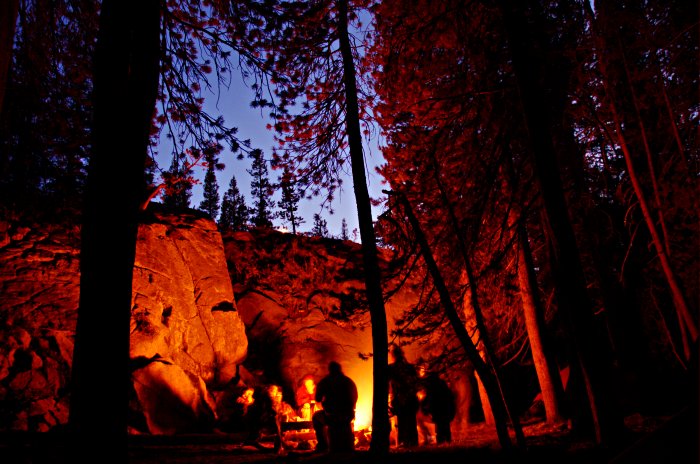
- Setting camp: Where are you camping? Do you want to light a fire? What if it attracts monsters? Can you survive the cold? Do you want to cook your food? Can you build a break to hide the firelight?
- Dungeon exploration: do you have enough torches?* How long have you been down here? Can you find your way back out? How will you cross underground rivers, climb down shafts, traverse narrow ledges?
- Eating: How much food do you have? How far to the next town, and how will you pay for meals there? Can you hunt?
- Weather: Is it going to rain, snow, shine? How will that affect your chances of survival? Did you pack warm clothes?
- Inventory Management: If anything I would like to go out the far side of the spectrum and make the encumbrance system unrealistically punishing, so that you really have to consider what you want to take with you. Of course you can get porters, mules, etc. but they all come with their own set of challenges.
- Endurance: Walking, suffering cold or heat, eating, sleeping, warming yourself by the fire - all these things and more can affect your levels of energy. These energy levels are what replace your HP in standard D&D. If you're fit and well-rested, you have plenty of HP to spare when danger arises. If you're tired and bedraggled, you'll go down like a 1st-level wizard to a housecat.
- Injury: When danger does arise, and you don't have enough HP to evade danger, you are going to suffer serious and lasting injuries. A character who's been hurt previously may be a drain on the whole party's resources. Then the whispers begin: "We'd be better off without him..."
This game would be a challenge to design. On the one hand, it's intended that dealing with encumbrance limits and weather tables is now a key part of the game, not just stupid bullshit you have to deal with before diving into the dungeon. However, at the same time you want to streamline a lot of these mechanics so that the resource management section of the game is actually fun and dynamic. Striking a balance would be difficult.
Other things that would flow on into the rest of the game:
- Monsters, even low-level ones, are an extremely serious threat. If you picture the boss monster as D&D's "major threat" and the wandering mobs as "minor threats" - well in this game the environment itself is the "minor threat", and even a wandering monster is a "major threat". To reflect this, the setting would be much less monster-dense than regular D&D. Instead of table after table of wandering monsters, you could threaten the PCs with a wilderness area inhabited by nothing but wild animals and a single troll. Giants or dragons would be the upper limits of what PCs could hope to face, while things like demons and liches probably just don't exist.
 |
| in this game, lembas bread is OP as shit |
- All-new classes would be required. Can you imagine a Vancian Wizard in this game? Even if they weren't going to break the whole thing with their 2nd & 3rd level spells, it just doesn't fit the flavour. Magic-Users, such as they are, would be something more akin to druids or shamans, with low-key mystical knacks rather than flashy spells. Other classes might be: Fighter (remember, there's a lot less fighting going on than in a regular D&D game) Hunter/Ranger, Healer (non-magical), and perhaps some kind of 'foreman' to preside over issues of inventory and organisation? In fact, perhaps a freeform skill system would be better.
- Urban adventures wouldn't really work; it's got to be uncharted wilderness for the restrictions on resources to become meaningful. The implied setting for this game would be vast, wild and largely empty - the "howling emptiness of AD&D" turned up to eleven.
- Strangely, extraplanar adventures and other gonzo environments might actually work if you focused on the environment itself as the danger, while keeping the monsters to a reasonable level. How do you adventure on the Plane of Fire when it's not just handwaved with everyone getting a Ring of Fire Resistance?
*Apparently some people deal with this problem already in D&D, but I can't really see how it ever becomes relevant unless a) the players simply forget to pay a handful of silver pieces for a roll of torches or b) some sort of Grinding Gear scenario where you're stuck in the dungeon for an unreasonably long time.
Subscribe to:
Posts (Atom)